
How Manual Therapy Restores Mobility After Pain

A stiff neck that makes checking a blind spot difficult, a low back that protests when you stand from your desk, or an ankle that still feels unreliable months after a sprain can change how you move through the day. Understanding how manual therapy restores mobility helps put treatment in practical terms: it is not simply about loosening a tight area. It is about reducing barriers to movement, assessing what is limiting function, and helping you return to everyday activity with more confidence.
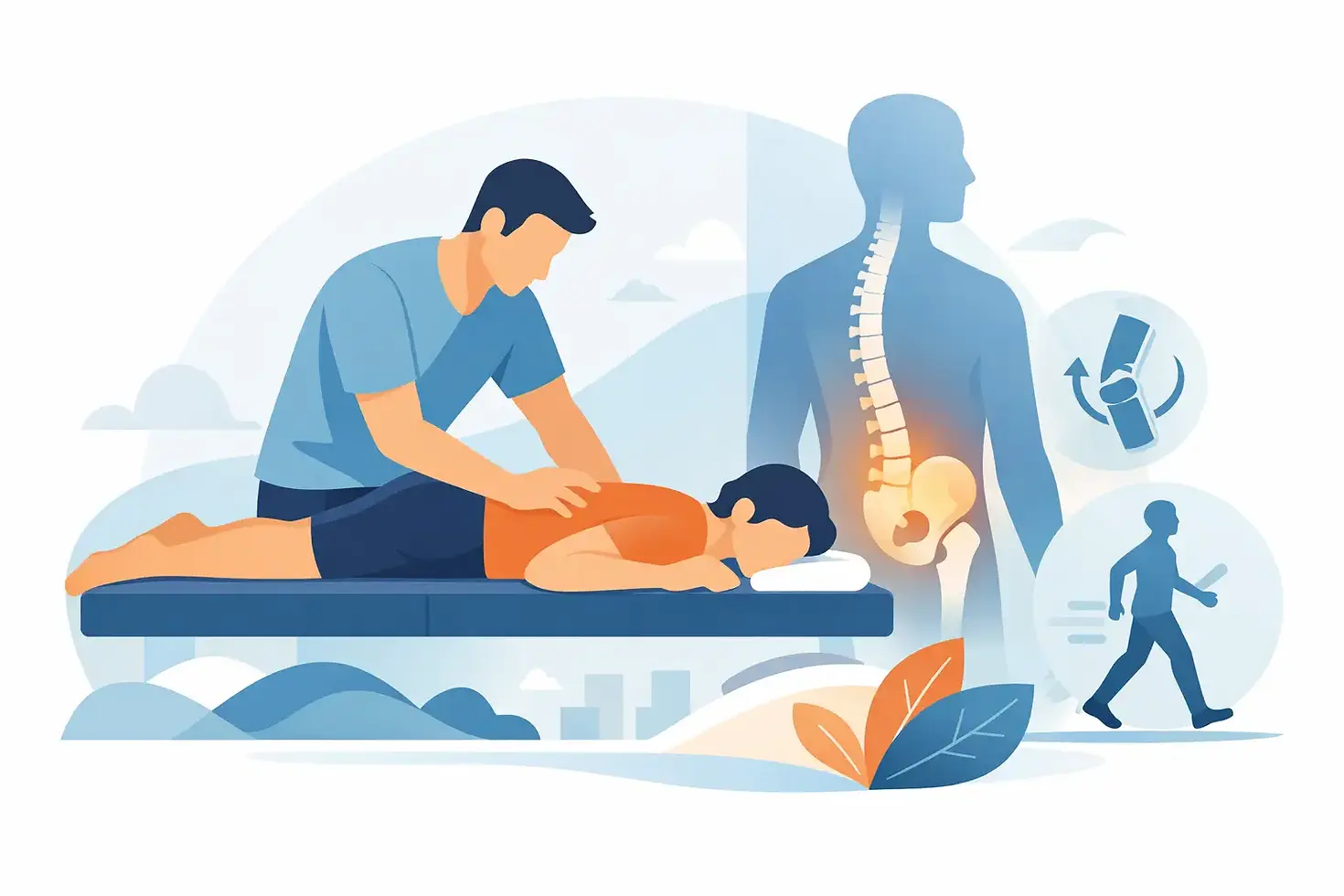
Manual therapy is a hands-on approach used by trained healthcare professionals to assess and treat musculoskeletal pain and movement restrictions. Depending on your presentation, care may include joint mobilization or manipulation, soft-tissue techniques, massage therapy, guided movement, and advice on activity modification. The right combination depends on the cause of the limitation, your health history, and what you need to get back to doing.
Why pain and stiffness change the way you move
Mobility is more than flexibility. It includes the ability of joints, muscles, nerves, and the nervous system to coordinate movement comfortably and with enough control for daily tasks. When one part of that system is irritated or injured, the body often adapts by guarding the area.
Guarding is a normal protective response. After lifting something awkwardly, being involved in a motor vehicle collision, or developing repetitive strain at work, muscles may tighten and movements may become smaller or slower. Pain can also make you avoid bending, turning, reaching, or loading one side of the body. In the short term, this may feel sensible. Over time, reduced activity can contribute to deconditioning, joint stiffness, and less confidence in movement.
Not every restriction means that something is out of place or damaged. A person can feel very stiff with no serious structural injury, while another person may have changes visible on imaging without significant symptoms. This is why a clinical assessment matters. Effective conservative care considers symptoms, movement patterns, strength, work demands, sleep, exercise habits, and relevant medical history rather than relying on a single explanation.
How manual therapy restores mobility in practice
Hands-on treatment can help create a useful window of symptom relief. When pain is lower and movement feels easier, patients are often better able to begin the active part of recovery: moving more normally, rebuilding strength, and gradually returning to the activities they value.
It can reduce pain sensitivity and muscle guarding
Manual therapy provides sensory input to the nervous system through the skin, muscles, and joints. For some people, this can reduce the feeling of threat associated with a painful movement and decrease protective muscle tension. The result may be an immediate improvement in comfort or range of motion, although the amount and duration of relief vary from person to person.
For example, someone with acute low back pain may find it easier to straighten up or walk after treatment. A patient with neck pain may be able to turn farther when driving. These changes are valuable, but they are not the whole goal. Short-term relief is most useful when it helps you resume safe, appropriate movement rather than avoid activity altogether.
It may improve joint movement where restriction is relevant
Joints need to move through their available range to support tasks such as squatting, reaching overhead, climbing stairs, or looking over a shoulder. Following injury, prolonged sitting, inflammation, or repetitive loading, some joints can become difficult or painful to move.
Joint mobilization uses controlled, graded movements to encourage comfortable motion. Spinal manipulation is a different hands-on technique that may be used when clinically appropriate. Both can be helpful options for certain musculoskeletal conditions, particularly when combined with exercise and patient education. They are not required for every patient, and they should never be applied as a one-size-fits-all solution.
The clinical question is not whether a particular joint makes a sound or reaches a perfect range immediately. The more useful question is whether treatment improves a meaningful function, such as getting in and out of a vehicle, returning to a recreational sport, tolerating a work shift, or sleeping with less discomfort.
It addresses soft-tissue tolerance, not just “knots”
Muscles, tendons, and connective tissues can become sensitive after overuse, injury, or a period of reduced activity. Massage therapy and other soft-tissue techniques may reduce soreness, improve comfort, and make it easier to move an area that has felt guarded.
It is common to describe painful areas as knots, but persistent tension is rarely solved by forcefully breaking something apart. Tissues respond best to an approach that respects irritability. Deep pressure may feel appropriate for some longstanding muscle soreness, but it can aggravate an acute injury or a highly sensitive condition. Your provider should adjust the technique to your symptoms and response during treatment.
It supports a return to normal movement patterns
Pain often changes movement before a person notices it. You might shift weight away from one knee, avoid rotating through your mid-back, grip tightly through the shoulders, or take shorter strides after a foot injury. These strategies can be protective at first, but they may persist after the original tissue irritation has settled.
Manual therapy can make corrective movement easier to practise. A clinician may pair treatment with simple movements during the appointment, then prescribe a manageable home program. This could include a walking plan for back pain, gradual shoulder loading after a strain, hip and trunk strengthening for recurring symptoms, or ankle balance work after a sprain.
The goal is not to become dependent on treatment. The goal is to use treatment strategically while your own capacity improves.
Manual therapy works best as part of active care
Research and clinical guidelines generally support manual therapy as one component of conservative care for many musculoskeletal complaints. For conditions such as back pain, neck pain, some headaches, certain sports injuries, and osteoarthritis-related discomfort, hands-on care may offer symptom relief and functional improvement. Outcomes are often stronger when treatment is combined with exercise, education, and a gradual return to normal activity.
That does not mean every person needs an extensive rehabilitation plan. For a mild episode of back stiffness, a few targeted visits and practical advice may be enough. After whiplash, a persistent shoulder problem, sciatica, or a more complex workplace injury, progress may take longer and require a more structured plan.
A good plan is specific to your goals. If you are a desk worker, success may mean getting through a full day without escalating pain. If you are an athlete, it may mean restoring sprinting, cutting, or lifting tolerance. If you drive for work, neck rotation and sustained sitting may be the priorities. Progress should be measured against functions that matter to you, not only against a pain score.
When hands-on treatment may not be the right next step
Manual therapy is non-invasive and generally well tolerated when delivered after an appropriate assessment, but it is not suitable for every situation. New or worsening weakness, loss of bowel or bladder control, unexplained fever, significant trauma, suspected fracture, severe unrelenting pain, or symptoms that do not fit a typical musculoskeletal pattern need prompt medical assessment.
There are also cases where imaging, medication management, specialist consultation, or another form of rehabilitation is more appropriate. Honest clinical decision-making includes knowing when to refer. At Dennis Chiropractic, assessment is intended to identify whether conservative musculoskeletal care is a reasonable fit and when further investigation or another provider is needed.
Even when manual therapy is appropriate, expectations should stay realistic. It may reduce pain quickly for some people, while others notice gradual changes over several visits. Chronic conditions, osteoarthritis, longstanding nerve symptoms, and recurring injuries often require ongoing self-management rather than a permanent one-time fix.
What a useful first appointment should include
A thorough first visit should start with questions, not assumptions. Your provider should ask how the problem began, what makes it better or worse, how it affects work and activity, and whether there are any symptoms that require medical attention. They should assess relevant movement, strength, joint function, and neurological signs when indicated.
From there, the treatment plan should be clear. You should understand what the working diagnosis is, why a particular hands-on technique is being considered, what you may feel afterward, and what you can do between visits. If a technique does not suit your preferences or health history, alternatives should be discussed.
Mobility returns most reliably when treatment gives you a path back into normal life. Start with the movement you can do today, progress it at a tolerable pace, and use hands-on care as support rather than a substitute for your own recovery.


Comments