

Guide to Non Invasive Pain Relief Options
- bden14
- Jul 17
- 5 min read

A sore back that makes getting out of the car difficult, a stiff neck after a long shift, or heel pain that returns every morning can change how you work, sleep, and move. This guide to non invasive pain relief explains how conservative care can address common musculoskeletal pain while keeping treatment practical, evidence-informed, and focused on function.
Non-invasive care does not mean doing nothing and hoping the problem settles. It means starting with options that do not involve surgery or injections, using a thorough assessment to identify the likely source of pain and choosing treatment that fits your condition, goals, health history, and daily demands. For many people with back pain, neck pain, repetitive strain, joint pain, and sports injuries, this is the appropriate first step.
What non-invasive pain relief can involve
Pain is rarely just a matter of one tight muscle or one joint that needs to be “put back.” It can be influenced by tissue irritation, movement habits, workload, sleep, previous injury, stress, and how long symptoms have been present. A useful care plan accounts for these factors rather than relying on a single treatment.
Depending on the assessment, non-invasive pain relief may include hands-on treatment, therapeutic exercise, education about activity modification, and strategies to reduce recurrence. Some people need short-term help to calm an acute flare-up. Others need a gradual plan to rebuild strength, mobility, and confidence after months or years of discomfort.
The best approach is not always the same approach. Acute whiplash after a motor vehicle collision may call for a different plan than persistent plantar fasciitis, osteoarthritis-related knee pain, or sciatica that is aggravated by prolonged sitting.
A guide to non invasive pain relief treatments
Chiropractic care and manual therapy
Chiropractic treatment can include joint mobilization or manipulation, soft-tissue therapy, movement assessment, and exercise guidance. The goal is not simply to produce a joint “pop.” It is to reduce pain, improve movement, and help you return to normal activities safely.
For conditions such as mechanical low back pain, neck pain, some headache presentations, and certain joint-related problems, manual therapy may provide meaningful short-term relief. It tends to work best when it is part of a broader plan that includes movement and clear advice on what to do between appointments.
A responsible clinician will also explain when manual treatment is not appropriate. New neurological symptoms, significant trauma, suspected fracture, infection, or non-musculoskeletal causes of pain require medical investigation rather than routine hands-on care.
Massage therapy
Massage therapy can help reduce muscle tension, tenderness, and the feeling of being restricted by pain. It is often useful for people dealing with overuse injuries, desk-related neck and shoulder tension, postural strain, training soreness, and recovery from soft-tissue injuries.
Massage is not a stand-alone fix for every condition. Its value often comes from making movement more comfortable, supporting recovery, and helping a person tolerate the exercise or activity changes needed for lasting improvement. For someone who has been avoiding activity because of pain, that can be a meaningful step forward.
Contemporary medical acupuncture
Contemporary medical acupuncture uses fine needles to stimulate specific tissues and may be used to help manage certain muscle, joint, and nerve-related pain conditions. Some patients find it helpful for persistent muscle tension, low back pain, osteoarthritis symptoms, headaches, or sports-related soft-tissue irritation.
Response varies. Acupuncture is not suitable for everyone, and it should be selected after a discussion of your health history, medications, symptoms, and treatment preferences. When used appropriately, it can be one component of a conservative pain-management plan.
Exercise and movement rehabilitation
When pain persists, movement can feel risky. Yet complete rest often leads to more stiffness, loss of conditioning, and lower tolerance for normal tasks. The right exercise plan is not about pushing through sharp or escalating pain. It is about introducing manageable movement and progressively building capacity.
For example, a person with recurrent low back pain may need better tolerance for bending, lifting, walking, and sitting. A runner with knee pain may need a review of training load, hip and calf strength, and running volume. Someone with shoulder pain may need to gradually restore comfortable overhead movement before returning to work or sport.
The exercise itself matters, but consistency matters more. A simple program that fits your schedule is usually more effective than an elaborate routine that is difficult to maintain.
Custom foot orthotics when foot mechanics matter
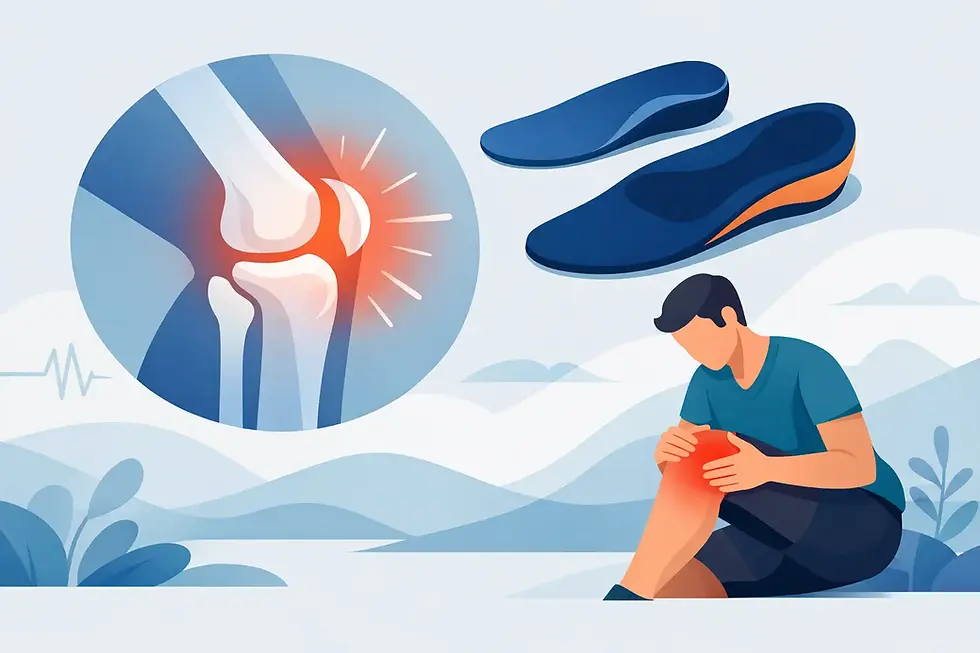
Foot pain is not always caused by footwear alone, but shoes and foot mechanics can affect how force travels through the feet, ankles, knees, and hips. Custom foot orthotics may be considered for conditions such as plantar fasciitis, some overuse injuries, and pain associated with certain biomechanical patterns.
Orthotics are not a replacement for strengthening, load management, or appropriate footwear. They can, however, reduce irritation and make walking, standing, or returning to activity more tolerable while the underlying problem is addressed.
Matching care to the problem
A good assessment starts with questions that may seem simple but are clinically useful: When did the pain begin? Was there an injury? What movements aggravate it? Is it improving, stable, or worsening? Does it affect sleep, work, driving, or exercise?
The physical examination may assess range of motion, strength, reflexes, sensation, joint function, and how you perform relevant tasks. This helps distinguish, for example, a local muscle strain from symptoms that may involve nerve irritation, or a routine knee complaint from a problem requiring further investigation.
Imaging is not automatically needed for every sore back or painful shoulder. In many cases, the findings will not change the initial conservative treatment plan. When imaging is clinically indicated, appropriate requisitions or consultation can help clarify the next step. The aim is to avoid both missed concerns and unnecessary testing.
What to expect from a practical care plan
Pain relief is a reasonable goal, but a useful plan also measures progress in everyday terms. Can you sleep more comfortably? Sit through a meeting? Carry groceries? Train without a flare-up the next day? Return to work duties with less restriction?
Early care may focus on settling symptoms and identifying aggravating activities. As pain becomes more manageable, the focus should shift toward restoring movement, strength, and tolerance for your normal routine. The number of visits depends on the condition, its severity, how long it has been present, and how you respond to care.
Be cautious of promises that every condition can be fixed quickly or that you must commit to a lengthy treatment schedule before receiving a clear explanation. Honest clinical care includes reassessment. If progress is not occurring as expected, the plan should change, or you should be referred to the appropriate provider.
When pain needs medical attention first
Conservative musculoskeletal care is appropriate for many common complaints, but some symptoms need urgent medical assessment. Seek prompt care for severe or worsening weakness; loss of bowel or bladder control; numbness in the saddle area; unexplained fever; major trauma; chest pain; sudden severe headache; unexplained weight loss; or pain that is constant, rapidly worsening, and unrelated to movement.
You should also seek assessment if pain follows a motor vehicle collision, if symptoms include progressive numbness or weakness, or if a child, older adult, or person with significant medical conditions develops new unexplained pain. These situations do not always signal a serious problem, but they should not be self-managed.
Making conservative care fit real life
The right plan should work around your life, not require you to put it on hold. That may mean appointments that fit around work, direct billing where available, a home program that takes ten minutes rather than an hour, and clear guidance about whether to keep exercising, modify duties, or take a brief break from a specific activity.
At Dennis Chiropractic, the focus is on hands-on, evidence-informed care for people in Red Deer who want clear answers and a practical path back to comfortable movement. If your symptoms are not suited to musculoskeletal treatment, an honest referral is part of good care.
Pain can narrow your routine quickly, but it does not have to dictate every decision you make. A careful assessment and a realistic conservative plan can help you move with greater confidence, one useful improvement at a time.


Comments